Red Lights, Another Movie for Friggatriskaidekaphobia


Friday the 13th is normally associated with fear and the dread of terrible things happening and therefore it is no wonder that this is the day that was chosen to release the movie Red Lights.

Red Lights is a psychological thriller evolving around the activities of Dr Margaret Matheson who is a college tutor as well as a paranormal activity researcher. This means that she and her assistant, Tom Buckley, look for the “Red Lights” or the sly ploys that phony psychics use to hoodwink the public when staging bogus ghost whisperings, fake faith healings and other similar paranormal activities.

Though these activities do not usually perturb Dr Matheson, the return of Simon Silver to the psychic scene, after a three decade hiatus, has her at her wits end.

All in all, Red Lights (2012) is a movie to consider watching if you lack friggatriskaidekaphobia or the irrational fear of Friday the 13th, as it may give you something fearful to associate with the date. 

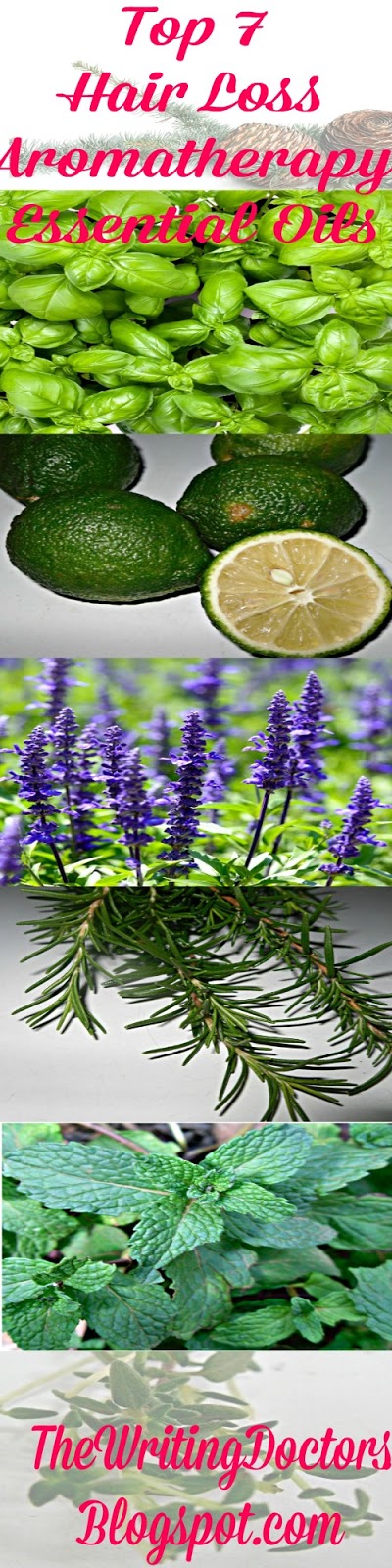
Top 7 Aromatherapy Essential Oils for Hair Loss

Regardless of whether you are losing your hair due to stress or scalp infections, there is an essential oil that can help you. These natural essences are packed with healing properties from the plants they are derived from. They are also tiny enough to penetrate the hair follicles and get to the root of the problem that is making you lose your hair. 
Top 7 Aromatherapy Essential Oils for Hair Loss

Cedarwood Essential Oil
Cedarwood is a wonderful essential oil for controlling hair loss caused by psoriasis of the scalp. 

Its woody, masculine scent has a calming effect on the mind making it a great choice for curtailing stress related hair loss.

Basil Essential Oil
Basil essential oil encourages hair growth by boosting the supply of blood and nutrients to the follicles. 

It is especially beneficial for persons with greasy scalp since it reduces the oil which can clog the follicles and hinder hair growth. 

Lemon Essential Oil
Lemon essential oil is used to treat hair loss caused by infections because it has antibacterial properties. 

It is especially useful for persons with oily hair since it also reduces the oiliness and leaves the hair with a clean, fresh scent.

Lavender Essential Oil
Lavender essential oil is famous for its relaxing effects which also make it one of the best essential oils for treating stress related hair loss. 

Therefore if you begin losing your hair and your sleep after losing your job, give soothing lavender a try. 

Rosemary Essential Oil
If you are feeling blue because your hair if falling out, rosemary is the essential oil to use since its uplifting aroma is known to battle mild depression. 

Rosemary has also been shown to reduce inflammation which makes it handy for managing hair loss caused by inflammation of the scalp.

Peppermint Essential Oil 
Peppermint is another potent essential oil for treating thinning hair because it has been proven to enhance the supply of nutrients to the hair follicles. 

Peppermint aromatherapy oil also has properties which enable it to deal with hair loss caused by fungal infections like ringworms. 

Thyme Essential Oil
Thyme essential oil was medically proven to treat hair loss caused by alopecia areata when it was mixed with cedarwood, lavender and rosemary essential oils. 

This aromatherapy oil has also been shown to effectively tackle bacteria which can cause hair loss. 

If you want to use these essential oils to reduce hair loss, simply mix them with a carrier oil and make a scalp massage oil. For example you can mix 12 drops of your chosen essential oils with an ounce of jojoba or olive oil in a dark bottle. Massage this mixture of aromatherapy oils onto your scalp using your fingertips at least once a day to treat hair loss naturally.

Eczema Smoothie Recipe

Having a simple eczema smoothie recipe on hand is a delicious way of clearing this chronic skin condition.  

Serves 1
Preparation time 5 minutes

Ingredients
1 cup mango cubes
1 cup unsweetened coconut water
1 banana
2 tablespoons almond butter
1 tablespoon sunflower seeds

Instructions
Place all ingredients in a blender and puree until they are pulverized and fully blended.
Pour into glass and garnish with coconut flakes before serving.

Nutrients
Mangoes are good sources of vitamin A which is vital for maintaining healthy skin. These tropical fruits also contain vitamin C which is used by the body to make the collagen that helps the skin heal. These two vitamins are also powerful antioxidants that protect cells from damage caused by free radicals.

Coconut water is a great liquid base for eczema smoothies since it is low in calories and fat. This hydrating drink which gives smoothies a nutty and tropical taste also contains electrolytes like potassium, sodium and copper.
Bananas contain biotin which is a vital nutrient for maintaining healthy skin, hair and nails. These fruits also add vitamin C to smoothies as they sweeten them naturally.
Almond butter is a good source of proteins which transform “snack smoothies” into “meal replacement smoothies”. This nut butter also contains carbohydrates, fats and healthy monounsaturated fats that do not raise blood cholesterol levels. Almond butter is also a good source of the antioxidant vitamin E that prevents premature aging and degenerative diseases.   

Sunflower seeds are great sources of zinc which is required for making collagen and helping the skin heal. This mineral also aids the absorption of vitamin A. Sunflower seeds are also  rich in omega 3 fatty acids which help reduce the inflammation associated with eczema. 

This mango eczema smoothie recipe can be tweaked by replacing the mangoes with strawberries and other seasonal fruits that are good sources of vitamins A and C.

Integrative Medicine Acne Treatment

Integrative medicine acne treatment combines conventional medicine medications with proven alternative medicine therapies to offer patients the best of both medical worlds.
Conventional Medicine Acne Treatment
The treatment of acne with conventional medicine can be divided into:
1. Topical medications which are applied on the skin
2. Systemic medications which are taken by mouth
Topical Acne Medications
Topical Retinoids 
Topical retinoids like tretinoin (Retin-A) and adapalene (Differin) are derived from vitamin A. These medications have anti-inflammatory properties which enable them to reduce the inflammation associated with acne. They also normalize the shedding of skin cells which helps reduce the pore plugging that causes breakouts. Topical retionoids also prevent acne lesions by reducing the amount of sebum (oil) produced by the skin.  


Topical Antibiotics 
Antibiotics like erythromycin (Eryacne) and clindamycin (Topicil) are also applied on the skin to clear acne. These medications which also have anti-inflammatory properties, are also effective against the bacteria associated with acne known as Propionibacterium acnes (P. acnes). 


Benzoyl Peroxide
Benzoyl peroxide (Panoxyl, Oxy-10) is another antimicrobial applied on the skin to treat acne. This medication which can be purchased over-the-counter reduces inflammation, P. acnes population and the pore clogging caused by dead skin cells.


Systemic Acne Medications
Oral Antibiotics 
Antibiotics like doxycycline and minocycline are taken by mouth to treat acne because in addition to controlling the population of P. acnes, they also reduce inflammation.


Oral Retinoids
Though these vitamin A  derivatives reduce inflammation, oil production and normalize the shedding of skin cells just like their counterparts which are applied on the skin, oral retinoids like isotretinoin, are used for much more severe forms of acne.


Alternative Medicine Acne Treatment
Evidence based treatment of acne with alternative medicine can be divided into:
1. Diet therapy
2. Aromatherapy
3. Herbal medicine
4. Stress Management
Acne Diet Therapy
Low Glycemic Index Diet
A study published in the American Journal of Clinical Nutrition revealed that a low glycemic index (GI) reduced the symptoms of acne. This finding is attributed to the fact that high GI foods like cakes, pasta and breads made from white flour raise blood sugar levels which results in the pancreas producing more insulin. The increased insulin levels then stimulate oil glands on the skin to produce more oil which clogs the pores and causes acne breakouts. 

Foods with GI of less than 70 do not cause these blood sugar surges and are therefore beneficial for persons with acne. Examples include vegetables like broccoli, cucumber and spinach as well as fruits like apples, pears and cherries. 


Acne Aromatherapy
Tea Tree Essential Oil
A study which compared the effects of 5% tea tree essential oil with 5% benzoyl peroxide found that both were effective for treating patients with mild to moderate acne. Though study participants who used tea tree essential oil were found to develop less side effects, person with high risk factors for tumors that require estrogen in the body like some breast cancers should avoid using it since it has effects which are similar to those of this hormone.

To make your own 5% tea tree remedy mix 5 ml of tea tree essential oil with 95 ml of organic aloe vera gel in a dark jar since light and heat reduce the potency of essential oils. Tea tree essential oil can also be mixed with argan oil which does not clog the pores to make an acne treatment oil. These tea tree gels or oils should be applied to the affected areas after cleansing.

Acne Herbal Medicine
Green Tea
A study found that applying a 3% green tea (Camellia sinensis) extract on the skin reduced the production of sebum by the skin. Two other studies found that a lotion with 2% green tea extract reduced the symptoms of mild to moderate acne in adolescents and young adults.

To prepare your own green tea acne remedy, steep 2 tablespoons of green tea leaves in a cup of boiling water for 15 minutes. Strain the tea leaves and use the cool tea to cleanse the acne prone areas.  


Acne Stress Management
Meditation
Emotional stress has been linked to more severe acne in a study that evaluated adolescents with mild to moderate acne. This link is thought to be due to the stress hormone cortisol.

Effective stress management is should therefore be a key component of any acne treatment program. This can be achieved by regularly practicing relaxation techniques like meditation and abdominal breathing during high-stress periods.  

An integrative medicine acne treatment model is therefore the best way of managing this common skin disease since the complementary therapies cover the bases missed by conventional medications. A good example is meditating to reduce stress since acne prescription medications cannot help a person relax. 

In addition, the benefits of managing stress effectively and adopting a low glycemic index diet are accrued not just by the skin, but by the whole person and they can thus help prevent stress and diet related illnesses.  

References

How Laser Hair Removal Works

Laser hair removal is an effective method of depilation or removing unwanted body hair by using devices that send out electromagnetic radiation called lasers. 

The laser, which is actually an acronym for Light Amplification by Simulated Emission of Radiation, uses highly concentrated, invisible light to destroy the undesirable hairs by using a process called selective photothermolysis.

Selective photothermolysis simply means that the laser beam is able to choose specific target hairs and destroy them without damaging the surrounding skin. The laser is able to do this by emitting light beams at wavelengths that target the melanin in the hair follicles.

Melanin is the pigment that gives skin and hair their color. The dark melanin in the hair follicle absorbs light from the laser beam which is then transformed into the heat that destroys the hair follicle.

As a result of this process of selective photothermolysis that targets the dark melanin, the best candidates for laser hair removal are those with dark colored black or brown hair and light or fair skin. Consequently, persons who may not have good results from laser hair removal are those with white hair, grey hair or fine blond hair.

Laser hair removal is also most successful when the hair follicle is in the anagen phase. This is the stage in which the hair follicle is actively growing and thus its destruction results in hair loss. Since hair grows in cycles, and around 85% of hair follicles are in the anagen stage at any one time while the rest are in the other resting and shedding stages, laser hair removal is not a one-time procedure.

A client may therefore need to have several sessions to destroy the hair follicles which were not in their active phase during their last laser hair removal treatment session. On average, five treatments are required for each area before all the active hair follicles are destroyed and permanent hair reduction achieved.

These treatment sessions are usually spaced out depending on the hair cycle length for the body area being treated to ensure that the hairs which were resting, have entered the anagen or growing phase. For instance, laser hair removal treatment sessions for facial hair can be done monthly, those for the bikini area bimonthly, and those for the legs every six weeks. These durations are not standard for all clients since they also depend on the gender, hair density and degree of hair removal required.


The Difference Between True Lasers and "IPL" Lasers
There are several differences between a true laser (Light Amplification by Simulated Emission of Radiation) and an IPL (Intense pulse light) laser. 

The first of these is that a true laser emits monochromatic light with a single wavelength while an IPL emits polychromatic light with multiple wavelengths which can range from 515 nm to 1200 nm. As a result of this difference, a single IPL device can be used on many clients and on a wider range of skin types and hair colors than would be possible with a single laser device. This is because a laser’s specific wavelength targets specific conditions since the the absorption of light by the skin and hair depends on the wavelength of the light.

In addition, true laser devices treat skin conditions at specific depths in the skin while an IPL device can be used to treat multiple conditions at different levels within the skin since the different wavelengths of light from an IPL which are chosen by using different filters, can penetrate the skin to different depths. A result of this difference is that IPL treatments are usually less expensive than laser treatments since one IPL machine can treat multiple conditions.     

The third difference is that a true laser is collimated while an IPL is non-collimated. This means that the true laser light does not disperse a lot as it moves from its origin to its target, while the IPL light quickly spreads out making it less effective than the powerfully focused true laser for some purposes such as hair reduction.  

A fourth difference is that a true laser is coherent while an IPL is not coherent. This means that light from a true laser beam produces a synchronized phase of light waves that do not cancel themselves out while an IPL does thus making it less effective than the reinforcing laser for some cosmetic procedures.

The fifth difference between true lasers and IPL machines is that the risk of skin discoloration from hyperpigmentation or hypopigmentation is less with IPL devices, especially when they are used for hair removal, since they cause less damage to the surrounding skin than lasers though true lasers give more superior results.

In addition, due to the use of pulsed light in IPL, the risk of the skin burning is less than that of using lasers. Conversely, the “gentler” and less intensive treatments from IPL machines result in the client needing more repeat visits to achieve a certain goal than if they had received intensive laser treatment in the first place.  

Diabetes and Oral Health

Diabetes is a condition in which the body breaks down carbohydrates abnormally due to insufficient levels of insulin. These inadequate insulin levels are caused by insulin deficiency in patients with type 1 diabetes and insulin resistance is those with type 2 diabetes.

Symptoms which make up this syndrome that is known as diabetes include excessive thirst, passing a lot of urine and an increased appetite. These classic symptoms of type 1 diabetes may be accompanied by losing weight, drowsiness and feeling very tired. Symptoms of type 2 diabetes include blurred vision, tingling sensations in the legs and other nerve problems.   

Gingivitis and Periodontitis
Patients with poorly diabetes are prone to developing infections in the mouth because of their decreased ability to fight disease causing micro-organisms. Bacterial infections that commonly affect diabetics include those of the gums known as gingivitis and the more serious ones which affect the gums and jaw known as periodontitis. 

Symptoms of periodontitis include painful gums which can swell and retract from the teeth. These gums also tend to bleed when brushing the teeth. Halitosis or bad breath and pain when chewing are other symptoms of periodontal disease.

If left untreated, pus can accumulate between the teeth and gums and destroy the bones that support the teeth. This alveolar bone loss causes the teeth to become loose and fall off. Untreated periodontitis also affects blood sugar levels adversely making it harder to control diabetes. This leads to a vicious cycle in which the high blood glucose levels worsen the infection which continues to raise the glucose levels.

Oral Candidiasis
Adults with poorly controlled diabetes are also at a higher risk of developing recurrent fungal infections in the mouth like candidiasis. This infection which is commonly known as thrush, is more likely to take root in those who smoke cigarettes or wear dentures.

Xerostomia
Xerostomia or dry mouth is another oral condition associated with diabetes. This dryness in the mouth is caused by a decrease in the flow of saliva and it can cause sores, soreness, mouth infections and tooth decay.

Other Conditions
Lichen planus and recurrent aphthous stomatitis are other oral conditions that have been noted to occur more frequently in diabetics.

Prevention
All these oral manifestations and complications of diabetes can be prevented by ensuring blood sugar levels are maintained within the normal limits.

Diabetics who smoke cigarettes should also stop smoking since smoking not only increases the risk of developing bacterial and fungal infections in the mouth, but it also worsens them.

Oral hygiene should also be maintained by brushing the teeth every day. Diabetics who wear dentures should also remove and clean them daily to avoid developing infections in their mouths.


Top 10 Spices and Herbs for Depression

Herbs for depression can be used to relieve the symptoms of depression which include feelings of sadness, low moods, reduced energy levels, difficulty concentrating and inability to enjoy life.

Spices and herbs used to treat depression naturally include:
St. John’s Wort
St. John’s wort, Hypericum perforatum, has been proven to be as effective as tricyclic antidepressants for the treatment of mild to moderate depression. It is often taken at a dose of 300 mg of the 0.3% hypericin extract thrice a day.

Though St. John’s wort was found to have less side effects that the prescription medications used to treat depression, it also has its own adverse effects which include indigestion, dizziness and making the skin more sensitive to sunlight.

Pregnant women and those who are nursing should not use this herb for depression. Persons with severe depression and bipolar disorder should also not take St. John’s wort. Those with moderate depression who are using serotonin reuptake inhibitors (SSRIs) antidepressants like citalopram and fluoxetine or tricyclic antidepressants (TCAs) like amitriptyline and imipramine should also not take St. John’s Wort since the combination can cause dangerous reactions.

Saffron
Studies have shown that saffron, Crocus sativus, is effective for treating mild to moderate depression. Two clinical trials even found that it was just as effective as fluoxetine and imipramine and yet it had fewer side effects.

Lavender
A study found lavender, Lavandula angustifolia, to have similar effectiveness with imipramine when used by persons with moderate depression.


Sage
Sage is another herb for depression treatment since clinical trials have shown that it can elevate the mood.

Cayenne Pepper
Cayenne pepper, Capsicum annuum, is used to treat depression since it elevates levels of endorphins in the brain by stimulating TRPV1 pain receptors. By increasing endorphins which are the body’s feel good hormone, the ultimate effect of cayenne pepper is mood elevation. 

Cayenne pepper is relatively safe when consumed in diet amounts however excessive consumption can cause ulcers.

Rosemary
Rosemary, Rosemarinus officinalis, is used to treat depression since it contains a compound known as cineole which stimulates the nervous system. Rosemary also has an uplifting aroma that is perfect for countering the apathy associated with depression.

Persons taking blood thinners like warfarin, clopidogrel and aspirin should avoid using rosemary in medicinal amounts since it can cause bleeding. Persons taking diabetes medications should also avoid consuming large amounts of rosemary since it can affect blood glucose levels. Persons taking angiotensin converting enzyme (ACE) inhibitors like captopril and lisinopril to lower high blood pressure should also avoid using rosemary.

Ginkgo Biloba
Ginkgo biloba, Ginkgo biloba, is used to treat depression since it has a mild stimulatory effect on the brain and it improves the circulation of blood through it.

Ginkgo biloba can be taken at a dose of 80 mg three times a day to relive depression. It can also be taken as a tea or tincture.

Ginseng
Ginseng, Panax ginseng, is used for depression since it enhances mental health. It is often taken at daily doses ranging from 150 -300 mg.

Ginger
Ginger, Zingiber officinale, has been used as a herbal remedy for depression for centuries.  

Persons with bleeding disorders and those taking blood thinners like warfarin and aspirin should not take ginger in medicinal quantities. Diabetics on medications should also not consume ginger in large amounts since it can reduce blood glucose levels. Persons taking high blood pressure medications should also avoid ginger since it can lower blood pressure.

Turmeric
Turmeric, Curcuma longa, is another herb used to treat depression since it is thought to elevate the mood.  

Though it is relatively safe when used as a spice, persons taking blood thinners should avoid using it in medicinal quantities.


These spices and herbs for depression should only be used after consulting a doctor since many of them interact with prescription medications and cause unwanted adverse effects.

Top 10 Weight Loss Fruits

Weight loss fruits are great additions to any slimming diet because they are packed with vitamins, minerals and other nutrients which keep the body healthy and hydrated as it sheds the excess pounds. These fruits, which are generally low in calories and high in fiber, include:  
Grapefruit
A study found that obese participants who ate half a fresh grapefruit before meals lost 3.5 pounds in 3 months. This grapefruit eating group was also found to have reduced insulin resistance which helps control blood sugar levels and lowers fat storage. 

These weight loss benefits of grapefruit are attributed to its high fiber and water content. However, phytonutrients like naringenin also play a role since they induce the liver to break down fat.

In addition, at just 100 calories each, the body uses more calories digesting grapefruits than it gets from them. This makes them the perfect weight loss fruit.


Apples
Apples are great sources of fiber which helps reduce snacking between meals by making a person feel fuller for longer. A study found that increasing the intake of soluble fiber similar to that found in apples, by 10 grams each day reduced abdominal fat by 3.7 percent over a period of 5 years.

Furthermore, apples also help the body burn more calories since they are low carb fruits. Their easy portability combined with the fact that each medium sized apple contains around 100 calories make them healthy weight loss snacks.


Strawberries
Strawberries are super weight loss fruits because they increase the production of adiponectin. This fat burning hormone boosts metabolism and suppresses the appetite. These delicious berries also stimulate the secretion of another hormone known as leptin which plays an important role in losing weight.

In addition, 1 cup of strawberries which contains just 50 calories, provides almost 3 grams of filling fiber. Its 7 grams of sugar help satisfy sugar cravings and assist in resisting the temptation to snack on sweet, calorie dense foods like cookies.


Pears
A study found that eating 3 pears each day was associated with consuming less calories and losing more weight. These findings can be attributed to their high fiber content since they provide more than 10% of the recommended daily fiber intake.

Pears, by virtue of being high carbohydrate fruits, are great pre-workout snacks since they provide the body with the energy it needs to exercise.

Pomegranates
Researchers from University of Carolina state that antioxidants in pomegranates can increase the body’s metabolism. This is beneficial since an increased metabolic rate helps the body burn more calories and lose weight. 

These nutrient dense fruits also reduce the appetite and this elevates them to the category of weight loss superfoods.  

Avocados
The combination of healthy monounsaturated fats, fiber and protein in avocados makes them very satiating fruits. Their consumption therefore reduces snacking by keeping a person feeling full for longer. 

The intake of healthy fats in the diet is also beneficial for weight loss since it increases testosterone levels which helps both men and women burn more fat.

Blueberries
Blueberries are great weight loss fruits because 1 cup contains 4 grams of filling fiber and a paltry 80 calories. Their high fiber content also prevents the blood sugar surges that are associated with food cravings.


Oranges
I cup of oranges contains almost 5 grams of fiber. This high fiber content combined with their high water content and 50 calories per fruit make them almost perfect weight loss foods.

Peaches
Peaches are other fruits with decent amounts of fiber. However, it is their low calorie, low fat and low carbohydrate content that makes the great weight loss fruits.

Bananas
An almost ripe, medium-sized banana contains 12.5 grams of resistant starch (RS) while a ripe one contains around 5 grams of this healthy carbohydrate which increases the body’s metabolism and helps it burn more fat.

By virtue of being high carb fruits, bananas are great for weight loss breakfasts because they provide the body with the sugar it needs to start the day after the overnight fast. Bananas are also good weight loss snacks since they contain satiating fiber and around 100 calories per fruit.

Kiwifruit
Kiwis are packed with insoluble and soluble fiber which helps reduce calorie intake by making a person feel full for a longer period.

For the best results, these weight loss fruits must be consumed as part of balanced diet together with vegetables  and portion controlled starches and proteins.

Top 10 Causes of Hip Joint Pain

The hip is the largest joint in the human body and it attaches the femur (thigh bone) to the pelvic bones of the torso. This joint which bears the body’s weight during activities like standing, walking and running can become painful due to the following conditions:
1. Arthritis
Osteoarthritis is one of the most common causes of pain in the hip. This type of arthritis develops as a result of the wear and tear of the cushioning cartilage within the joint. Mild cases of osteoarthritis are treated by resting the joint and taking non-steroidal anti-inflammatory drugs (NSAIDS) like ibuprofen and naproxen. Severe cases treated with hip replacement surgery.   

Rheumatoid arthritis and psoriatic arthritis are other types of arthritis which cause pain in the hip. These conditions are treated with disease modifying anti-rheumatic drugs (DMARDs) like methotrexate and sulfasalazine.

2. Fractures and Dislocations
Fractures are common causes of sudden pain in the hip. The bones of the hip joint can be broken by major trauma from automobile accidents or they can crack after minimal trauma in persons with conditions like osteoporosis which weaken the bones. Hip fractures are usually treated surgically by implanting screws and plates.   

Dislocations are relatively rare since the hip is a stable joint. However, large forces from road traffic accidents and falls from heights can dislodge the ball of the femur from its socket in the pelvic bone. Hip dislocations are treated surgically.  

3. Inflamed Tendons
Iliotibial band tendinitis causes hip pain which is felt on the outside of the joint. This ligament which connects the muscles to the bones usually becomes inflamed in athletes because of excessive running and stretching. Iliotibial band tendinitis is treated by applying heat, resting the joint and taking NSAIDS to reduce the pain and inflammation.   

4. Inflamed Bursae
Inflammation of the bursae which are sacs that provide cushioning between the bones and other structures in the joint also causes hip pain. These fluid-filled sacs usually become inflamed due to overuse from athletic activities. Bursitis is treated by taking pain relievers like ibuprofen and resting the joint. 

5. Torn Cartilage
Cartilage tears like labral tears are other causes of pain in the hip joint of insidious onset. The labrum cartilage surrounds the acetabulum (hip socket) to secure the head of the femur inside it and stabilize the joint. It can be torn by trauma from car accidents or it can develop in athletes due to repetitive movements. Torn labrum can be treated with arthroscopic hip surgery or physiotherapy.

6. Cancer
Cancer is another cause pain in the hip joint. It many cases it is often advanced cancer which has metastasized from another part of the body like the breast or prostate. However, cancers can also arise from the bone and cause pain in the hips. Cancers are treated with radiotherapy and cancer medications known as chemotherapy.

7. Infections
Infections of the bone like osteomyelitis are common causes of hip pain in children. Skin infections like herpes (shingles) can also cause pain that is felt at the hip in persons of all ages. These infections are treated with analgesics as well as antibiotics and antivirals.

8. Nerve Pain
Though sciatica usually causes pain that radiates down the leg, it can also cause pain that is felt in the back of the hip joint. This pain which arises when the sciatic nerve is pinched as it leaves the spinal cord is treated with NSAIDS and physiotherapy. Inflammation of the lateral femoral cutaneous nerve is another cause of nerve pain that is felt at the hip.    

9. Hernias
Inguinal and femoral hernias can also cause pain that is felt at the hip joint. Inguinal hernias often develop in pregnant women due to the extra pressure of the growing uterus on the abdominal wall. Hernias are usually treated surgically.  

10. Avascular Necrosis
Avacsular necrosis of the hip, which is also known as osteonecrosis, is another relatively common cause of hip joint pain. This condition which can be caused by fractures and dislocations develops when the blood supply to the ball or head of the femur is compromised. As a result, the ball begins to die and its cartilage degenerates. Avascular necrosis of the hip is treated with bed rest, pain relievers, wearing splints and hip replacement surgery.


Medical Licensing Exam Revision Questions

Question 1
A 70-year-old fair-skinned Caucasian man presents to the hospital complaining of lesions on his scalp which he says feel like sandpaper. His past medical history is not significant and he is a retired missionary who spent most of his life in Australia. On examination you note several scaly and erythematous papules on his scalp.


What is the most likely diagnosis?
A. Actinic keratosis 
B. Keratoacanthoma 
C. Dysplastic nevus 
D. Seborrheic keratosis 
E. Discoid lupus erythematosus
Correct Answer A
The clinical presentation is suggestive of Actinic keratosis which are also known as solar keratosis. These lesions develop on skin which has been damaged by prolonged exposure to the sun’s ultraviolet (UV) rays on the scalp, face, lips and hands. 

AK are scaly, erythematous papules with a typical sandpaper texture when palpated. Biopsy of actinic keratosis lesions reveals atypical keratinocytes in the basal layer, hyperkeratosis or hyperplasia of the stratum corneum and parakeratosis which is the retention of the nuclei by keratinocytes in the stratum corneum together with solar elastosis. 

If left untreated AK can evolve into squamous cell carcinoma (SCC). Treatment is with topical medications like 5-Flourouracil 5% cream and diclofenac sodium 3% gel. Cryotherapy with liquid nitrogen is also used to treat them. 

Keratoacanthoma are dome shaped lesions with a central keratinous crater. 

Dysplastic nevi or atypical moles are characterized by a variety of colors which range from pink to brown and the combination of macules and papules within one lesion giving them a "fried egg" appearance. Their borders are irregular and scalloped. 

Seborrhoiec keratosis present as crusty plaques with a warty surface. Their borders are sharply demarcated and their bases non-erythematous. Seborrheic keratosis have a greasy, “pasted on the skin” appearance and their color ranges from white to brown-black. 

Discoid lupus erythematosus is characterized by roundish plaques with scaling and sharply demarcated borders. The central area is atrophied and hypopigmented while the surrounding borders are hyperpigmented.


Question 2
A 55-year-old Caucasian woman presents to the hospital complaining of tingling sensations in her hands and feet for the past one month. She is not on any medications and her past medical history is significant for one previous admission for a jejunoileal bypass. She is a married clerk who does not drink alcohol, smoke cigarettes or use illicit drugs.
What is the most likely diagnosis?
A. Celiac disease 
B. Whipple disease 
C. Tropical sprue 
D. Lactose intolerance 
E. Short bowel syndrome
Correct Answer E
The clinical presentation is suggestive of Short bowel syndrome (SBS) which can be caused by surgical operations like the jejunoileal bypass, vascular accidents, diseases and any condition which causes a loss of more than 50% of the small intestines. The resultant reduced absorptive surface area in SBS causes diarrhea, weight loss, pale greasy stools and other signs and symptoms of malabsoption. 

Nutrient deficiencies associated with SBS include Vitamin B12 deficiency which causes paraesthesias, fatigue and a megaloblastic anemia. Iron deficiency also causes fatigue and an anemia which is microcytic. Calcium malabsorption causes pain in the bones and carpopedal spasms. The treatment of short bowel syndrome treatment includes nutritional support and replacement of the deficient nutrients. 

Lactose intolerance develops as a result of lactase deficiency which breakdown the lactose in milk into galactose and glucose. Symptoms of lactase intolerance develop after ingesting lactose containing foods and they include flatulence, borborygmi, nausea, abdominal cramps and loose stools. Laboratory investigations reveal that the diarrheal stools are acidic. Treatment includes following a lactose-free diet. 

Celiac disease is a genetic disorder which is caused by intolerance to gluten which is found in wheat, barley, oats and other grains. Symptoms of gluten intolerance include abdominal distention with discomfort and diarrhea. Steatorrhea or pale, foul smelling stools which are difficult to flush are another symptom of celiac disease. Fatigue and weakness may also be present in patients who develop iron or folate deficiency. Bone pains are characteristic of calcium deficiency. The diagnosis of celiac disease is confirmed by taking a biopsy of the small intestines which shows a flat mucosa due to villous atrophy and subsequent improvement after treatment with a gluten-free diet. 

Tropical sprue affects locals and tourists of tropical areas like the Caribbean islands and South India. Its cause is not known and it is associated with symptoms like diarrhea, weight loss and soft, bulky stools. Laboratory investigations done for patients suspected to have tropical sprue include stool microscopy for cysts and trophozoites. Treatment is with antibiotics like tetracycline. 

Whipples disease is caused by Tropheryma whippelii and it affects the small intestines, joints, eyes, brain and other organs. Symptoms of this multisystemic disease include diarrhea, steatorrhea, weight loss and pains in the abdominal and joint. Biopsies of the small intestines are done and they reveal PAS positive foamy macrophages. Treatment is with antibiotics like trimethoprim-sulfamethoxazole or chloramphenicol.


Question 3
A 25-year-old African American woman presents to your clinic complaining of a painless swelling on her neck for half a year. This swelling does not affect her eating or breathing. On examination you note that she has a tachycardia, hyperhidrosis and an anterior neck swelling which rises with deglutition. 
What is the most likely cause of her condition?
A. Iodine deficiency 
B. Hashimoto’s disease 
C. Thyroid cancer 
D. Grave’s disease 
E. Medications
Correct Answer D
The clinical picture is suggestive of a goiter which is basically an enlarged thyroid gland. It is characterized by an anterior neck swelling which rises with deglutition. The causes goiter are as follows: 
1. Iodine deficiency develops when the body is unable to get enough of this mineral from the diet. Iodine is utilized by the body to produce the thyroid hormones triiodothyronine or T3 and thyroxine or T4. Deficiency of this mineral is the most common cause of goiter in the world. However, it is a rare cause of goiter in countries like the US which have iodized table salt. 

2. Graves’ disease develops when thyroid stimulating immunoglobulin (TSI) is produced by the immune system. It stimulates the thyroid gland to produce hormones and the resultant excessive production of thyroid hormones makes it the most common cause of hyperthyroidism in the US. Other symptoms of this autoimmune disease that may be present in addition to the enlarged goiter include tachycardia, hyperhidrosis, weight loss, heat intolerance may also be present. 

3. Hashimoto’s disease is the most common cause of hypothyroidism in the US. It is an autoimmune disease which arises when the immune system attacks the thyroid and causes inflammation. This results in hypothyroidism due to reduced production of T3 and T4. The pituitary gland attempts to increase the production of thyroid hormones by producing TSH or thyroid stimulating hormone and this results in thyroid enlargement. Signs and symptoms of hypothyroidism like fatigue, feeling weak, cold intolerance, constipation, dry skin and brittle nails may also be present. 

4. Thyroid cancer is a relatively rare condition which usually presents as an enlargement of one side of the thyroid. 

5. Medications which can cause goiters include lithium which is prescribed to treat bipolar disorder.